

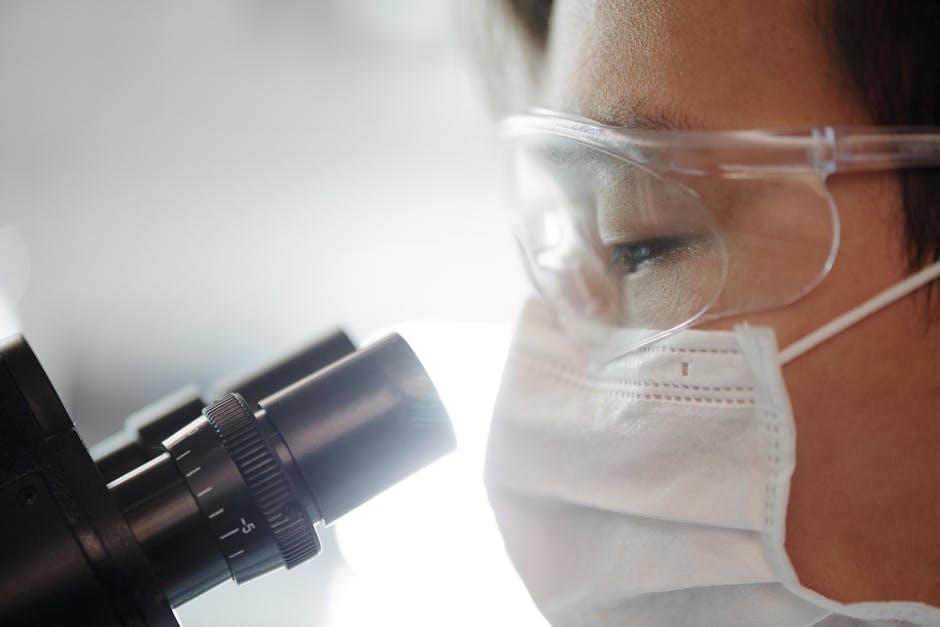
Game Changing Breakthroughs in Medicine
Medicine in 2024 isn’t just evolving it’s shifting fast in ways that matter globally. The pandemic spotlighted mRNA tech, but that was just the beginning. Now it’s moving beyond vaccines and into serious ground like cancer and rare genetic diseases. Researchers are leveraging mRNA platforms to teach the body how to target and destroy sick cells. Trials are already showing promise for certain hard to treat tumors and inherited conditions. It’s not science fiction anymore.
On the consumer side, wearable diagnostics have crossed the threshold from fitness toys to clinical grade tools. We’re talking about sensors that can track blood sugar, detect arrhythmias, or even predict flare ups in chronic conditions before symptoms hit. They’re lighter, more accurate, and better integrated with care plans. Real time health data isn’t just empowerment. It’s early intervention. That’s a big shift, especially in managing diseases like diabetes and heart failure day to day.
Together, these innovations aren’t just saving time or money they’re changing how and when people get care. The line between hospital level monitoring and home based management is getting thinner.
Explore key innovations in medicine
Personalized Medicine Gets Real

The era of one size fits all healthcare is fading fast. Personalized medicine is moving from theory into real world impact, driven by better data, smarter tools, and a push for more equitable care.
Treatments now start with the individual factors like genetic makeup, personal habits, and even where someone lives help guide decisions. Instead of guessing which medication might work, doctors are using genome sequencing and lifestyle profiles to tailor therapies. For patients, that means fewer side effects, faster results, and care that actually fits.
AI is making this shift faster and more precise. Algorithms can now scan through medical histories, lab results, and genetic data in seconds. That kind of speed is turning months of diagnosis and treatment planning into days. It’s not perfect but it’s getting sharper every year and already making a difference where resources used to fall short.
Access is improving too. Clinics in underserved regions are starting to tap into this new form of care, thanks to mobile diagnostics, cloud based health records, and affordable genetic testing kits. What was cutting edge five years ago is starting to land in places that need it most.
See how scientific innovations are scaling personalized medicine
Innovation Meets Global Health Equity
Bridging the healthcare gap isn’t just a moral imperative it’s where some of the smartest innovation is happening right now. Remote care technologies are moving faster than expected, delivering vital check ups, chronic disease management, and maternal care to places where clinics are a day’s travel away. In countries from Uganda to rural Appalachia, mobile health units and telemedicine platforms are transforming outcomes.
Meanwhile, access to life saving vaccines is getting a reboot. Affordable versions and open source formulations think low cost mRNA vaccines developed for local manufacturing are cutting out the need for high dollar pharma exclusivity. When you don’t have to pay licensing fees on patented tech, doses cost cents, not dollars. That’s a game changer for mass immunization campaigns across the Global South.
Public private partnerships are getting smarter, too. Take Gavi’s collaboration with regional biotech hubs or the World Health Organization’s mRNA tech transfer hub in South Africa. These aren’t just symbolic efforts. They’re shifting supply chains, creating jobs, and building systems that outlast global health emergencies. The strongest models put local capacity front and center not international aid on repeat.
The future of global health isn’t only being written in labs. It’s playing out in the way innovations get deployed, priced, and shared. Equity isn’t a side effect; it’s the strategy.
What to Watch Next
Regenerative medicine is shifting gears from future promise to clinical reality. Stem cell therapies are maturing, with more than a few early successes in repairing damaged tissues, from spinal injuries to heart muscle. But the real headline is bioprinting. Labs around the world are now printing human tissue cartilage, skin, even preliminary organ scaffolds. No, we’re not printing full functioning hearts on demand (yet), but the groundwork is there, and trials are moving fast. The long term goal: bioengineered organs that eliminate donor waitlists and rejection risk.
In parallel, mental health innovation is picking up speed. Digital therapy tools, especially in CBT (cognitive behavioral therapy) and anxiety management, now go far beyond wellness apps. We’re seeing AI backed platforms that adjust therapy in real time, and clinical grade virtual care being reimbursed in more countries. There’s less stigma, wider access, and a growing focus on measurable outcomes. That’s progress.
But none of this works in isolation. Global collaboration and regulation is crucial. Countries that historically lagged in health tech adoption are now catching up fast via open frameworks and data sharing coalitions. Regulatory agencies are trying to keep pace, balancing speed with safety. Expect clearer guidance ahead for developers working on cross border medical AI tools, digital therapies, and bioengineered implants.
In short, 2024 is shaping up to be a year of translation moving headline grabbing science into usable, global impact solutions. For researchers, policymakers, and frontline providers, there’s work to do. For the public, change is arriving faster and hitting closer to home.
 Eve Buttenshaw is a wellness expert and contributor to My Healthy Living and Strategies, where she brings her extensive knowledge of mental health, nutrition, and holistic well-being to the forefront. Eve’s passion for empowering individuals to live healthier, more mindful lives is reflected in her thoughtful and informative content.