

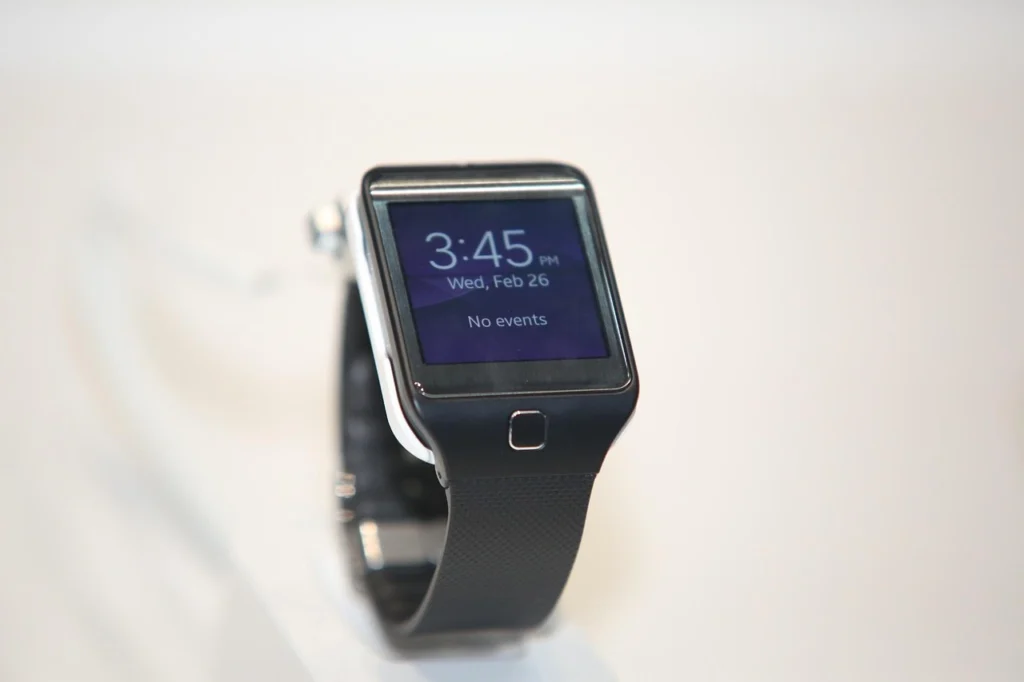
How Wearables Are Changing the Game
Not long ago, wearable health tech was a niche something for early adopters, hardcore athletes, or people with money to spare. Fast forward to 2024, and it’s woven into everyday life. The shift didn’t happen overnight. As sensors got smaller, smarter, and cheaper, wearables went from luxury gadgets to wellness companions you’re expected to own.
Now, real time tracking isn’t just about counting steps. We’re talking sleep cycles, recovery patterns, oxygen saturation, heart rate variability even stress responses. Devices have become silent trainers, health coaches, and early warning systems wrapped around your wrist. And it’s not just fitness buffs using them. Office workers, students, and people juggling stress or sleep issues are all turning to wearables as daily support tools.
Why? Because staying healthy isn’t a someday plan. It’s now. Wearables give a running scoreboard of how you’re doing whether you’re hitting the gym or just dragging through meetings. That real time feedback? It’s turned passive health into an active habit.
Smartwatches That Do More Than Tell Time
If you’re serious about tracking your health, the big three Apple Watch, Galaxy Watch, and Garmin are where most roads lead. Each brand brings its own strengths, depending on what you want and how deep you go.
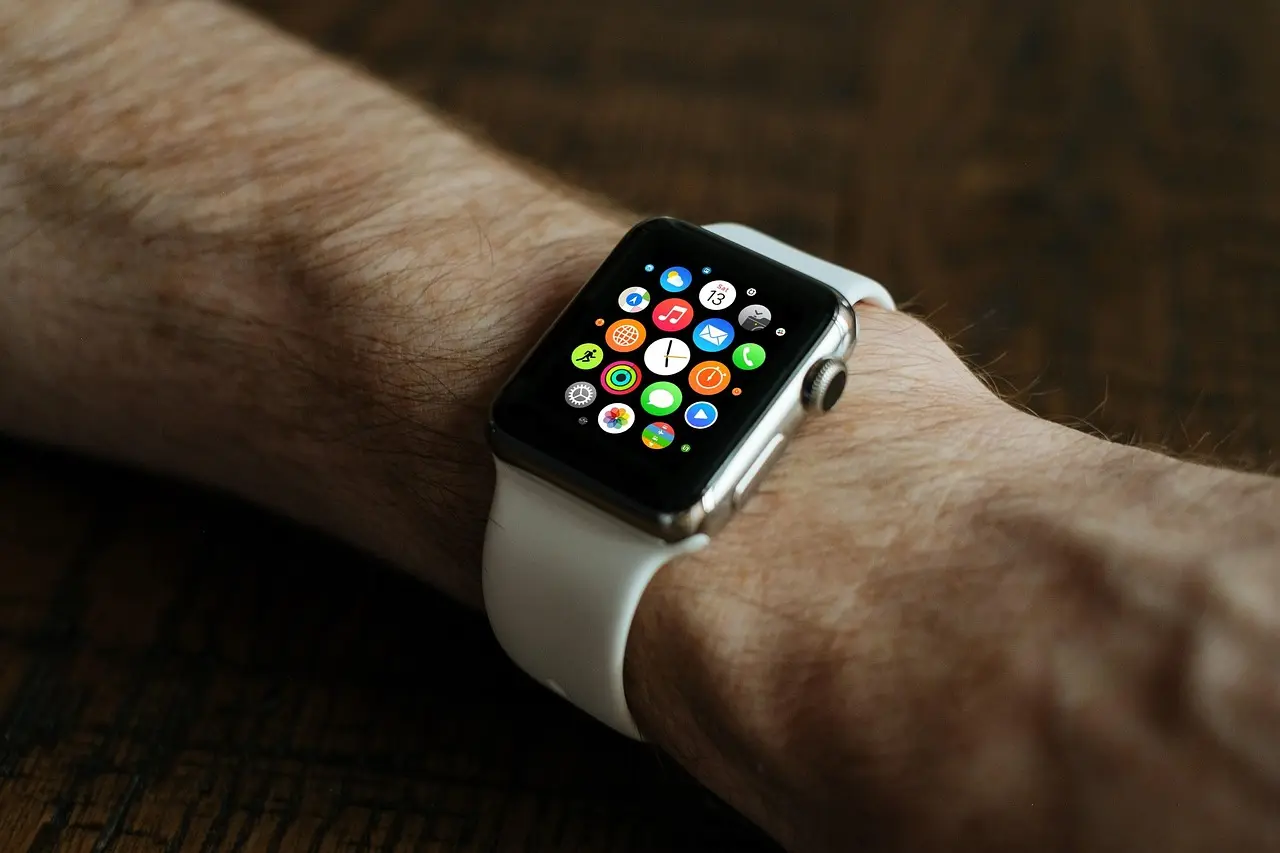
The Apple Watch (especially Series 9 and Ultra models) still leads when it comes to seamless ecosystem integration, slick user interface, and high accuracy health sensors. You get ECG, blood oxygen, robust sleep tracking, and heart rate variability (HRV), all fed into a tidy Health app. But battery life is still its Achilles’ heel expect a day, maybe two, before a recharge.
Samsung’s Galaxy Watch has narrowed the gap, especially with recent iterations focused on body composition, stress tracking, and improved sleep insights. Its battery life outpaces Apple’s, and it shines if you’re in the Android universe. It also offers ECG and blood oxygen monitoring, though it can lag a bit in data reliability during intense motion.
Garmin doesn’t try to be sleek it focuses on depth. Athletes and outdoorsy types swear by it. The battery life is standout (some models last over a week), and you get detailed metrics like VO2 max, recovery time, HRV, sleep staging, and even training readiness. The UX isn’t flashy, but it’s functional and laser focused on performance.
When choosing, think about comfort (Garmin’s chunkier, Apple’s flatter), compatibility (iOS vs Android), and how many hours you want between charges. And remember: more features don’t mean much if the data just sits in your watch face. Look for a model that syncs well with your daily habits and nudges you to take action.
Fitness Bands: Small but Powerful
Fitness bands have quietly carved a niche for users who want data without the bulk. In 2024, these devices are slimmer, lighter, and laser focused on core metrics think steps, heart rate, and calories burned. No distractions. No fluff.
The Fitbit Inspire 3 and Xiaomi Smart Band 7 make solid picks for users who want solid tracking and long battery life without breaking the bank. Both offer reliable heart rate monitoring and solid sleep insights, packed into a wrist hugging form that won’t weigh you down during workouts or errands.
Looking for data on a budget? The Amazfit Band 7 punches well above its price point with impressive battery life (up to 18 days) and workout logs covering a range of activities. For users who don’t need loud notifications or apps on the wrist, it’s a quiet workhorse.
In a world of feature bloated smartwatches, fitness bands still win on simplicity and focus. You get what you need and skip what you don’t.
Specialized Health Wearables Taking It Further
Not all health happens at the gym. New wearables are pushing far beyond steps and sleep, diving deep into highly personal health metrics. Continuous glucose monitors (CGMs), once reserved for diabetics, are now being used by everyday users to track blood sugar in real time. Why? Because stable glucose means steadier energy, better workouts, and even fewer cravings. It’s data you can act on immediately.
Then there are wearable ECG patches, a game changer for cardiac care. Instead of bulky, short term monitoring, patients can now wear discreet patches that deliver long read heart data post surgery or post diagnosis. It’s like taking your cardiologist with you into daily life minus the co pay.
Women’s health is also getting its turn. Devices that monitor ovulation, hormone fluctuations, and stress response are creating a more holistic picture of wellness for fertility planning, performance optimization, or just better understanding how your body ticks across the month. It’s personalized, low effort tracking that can redefine how women manage their health no clinic visit required.
Tips for Choosing the Right Device for You
Start with Your Health Goals
Before picking a wearable, know what you expect it to do. Not all devices are created equal some excel at fitness tracking, while others are designed for sleep, recovery, or managing long term health issues.
What are you trying to improve?
Weight loss & activity tracking: Look for devices with accurate step counters, calorie burn estimates, and fitness challenges
Training & performance: Prioritize wearables with VO2 max, heart rate variability (HRV), and training load analytics
Sleep quality: Devices with sleep staging, REM tracking, and recovery scoring are most helpful
Chronic condition support: Opt for wearables that monitor metrics like ECG, blood oxygen, or glucose (if needed)
Watch for Red Flags: Subscriptions & Data Privacy
Some devices seem affordable upfront but come with hidden costs or privacy concerns. Always check the fine print.
Things to investigate before buying:
Does it require a subscription for basic features?
What kind of data is collected, and who owns it?
Can your health data be shared with third parties or used for advertising?
Choosing a device from a company with transparent policies and secure data practices is just as important as the features on offer.
Don’t Overlook Longevity
A wearable isn’t worth much if it becomes obsolete in a year. Reliable devices are those consistently supported with accuracy updates, software improvements, and strong customer support.
Key factors to evaluate:
Frequency of firmware or feature updates
Battery life durability over time
Brand reputation for fixing bugs and honoring warranties
Choosing a wearable is not just about today’s tracking it’s an investment in your long term health habits.
A Deep Dive into Smart Ecosystems
What really makes wearable fitness tech powerful isn’t just the device it’s the ecosystem. Syncing your smartwatch or fitness band with apps that interpret your data is where the real change happens. Real time feedback becomes training plans. Sleep scores translate into smarter recovery choices. You move from raw stats to actual action.
Today’s top platforms like Apple Health, Garmin Connect, Fitbit Premium, and WHOOP are leaning into AI guided personalization. They’re analyzing patterns across movement, sleep, and even stress, then adjusting daily goals or recovery strategies. Your wearable isn’t just tracking; it’s learning and adapting.
For anyone training seriously or just trying to move and feel better this integration means less guesswork. You get coaching cues based on your own biofeedback. Bad sleep can dial down your workout plan. A string of low HRV days can flag burnout before it hits.
As more devices sync with nutrition trackers, hydration reminders, and even mental wellness prompts, the picture gets fuller and more actionable. The days of checking your step count and moving on are over.
Explore more about smart fitness devices
What’s Next in Wearable Health Tech
Wearables are ditching the passive role. The newest generation isn’t just tracking your sleep or counting steps they’re learning your patterns, spotting outliers, and flagging issues before you feel them. We’re entering a phase where predictive health support is the main act, not the sideshow.
Expect AI powered health coaches that respond in real time, not weeks later. Imagine a device that notices your heart rate spikes, correlates it with poor sleep and stress markers, and nudges you to take a break before burnout hits. Mood tracking using voice, facial expression, or biometric signals is inching from novelty to utility. Tech isn’t just reading your vitals, it’s reading the room.
Biosensors embedded in wearables are getting smarter and smaller. Think beyond wristbands: smart rings, clothing, even skin patches that deliver data on hydration, hormones, or inflammation levels. These aren’t just gadgets anymore; they’re becoming frontline health tools.
Bottom line? If you’re interested in your long term health, wearables aren’t optional. They’re the baseline. Predictive tech is here, and it’s raising the bar.
 Eve Buttenshaw is a wellness expert and contributor to My Healthy Living and Strategies, where she brings her extensive knowledge of mental health, nutrition, and holistic well-being to the forefront. Eve’s passion for empowering individuals to live healthier, more mindful lives is reflected in her thoughtful and informative content.