

You’ve tried the diets.
The ones that told you to cut carbs cold turkey. Or count every calorie like it’s your job. Or wake up at 5 a.m. to sweat before breakfast.
And then (six) weeks in. You’re back where you started. Or worse.
Tired. Hungry. Mad at yourself.
I’ve seen this cycle too many times.
It’s not your fault.
Most programs fail because they treat weight as a math problem (not) a human one.
They ignore how stress reshapes hunger. How sleep loss hijacks willpower. How your body fights back when you slash calories too fast.
That’s why a truly effective Weight Management Program starts with mindset, not meal plans.
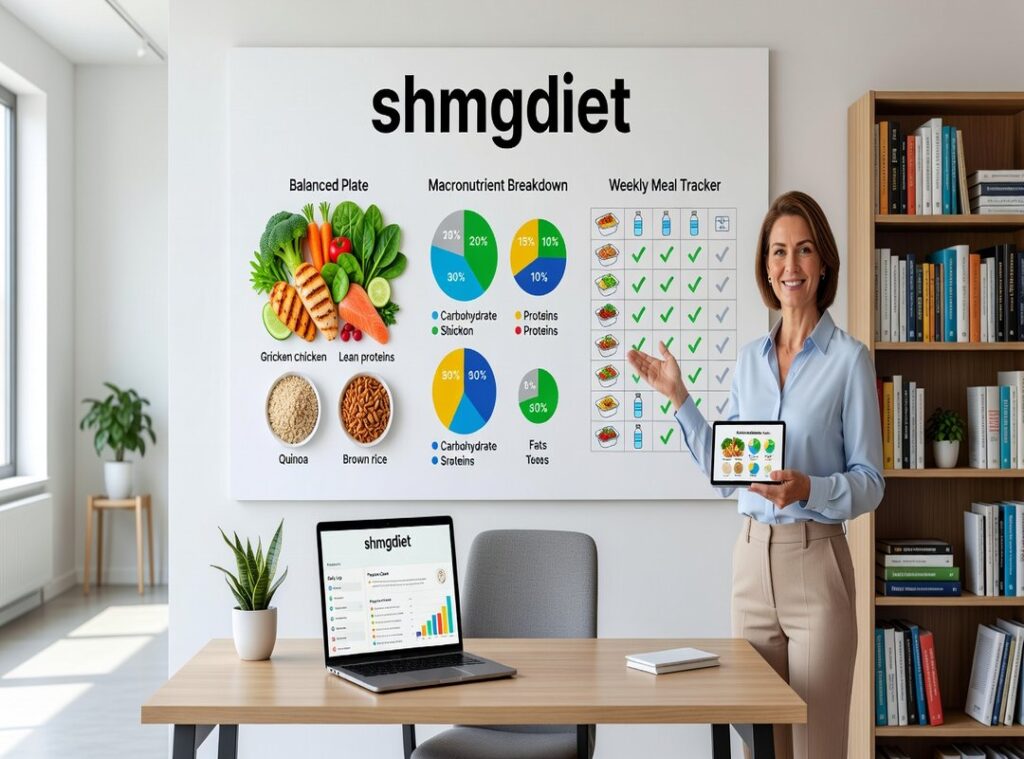
This isn’t another diet. It’s Shmgdiet (a) system built on behavioral psychology, metabolic research, and real-world adherence data.
Not theory. Not trends. Just what actually sticks.
I’ve watched people follow this for years (not) months. And keep the weight off without white-knuckling it.
No food bans. No guilt spirals. No “reset” button you press every January.
Just steady, sustainable shifts.
You won’t be perfect. You’ll skip workouts. You’ll eat the cake.
And that’s fine.
Because consistency beats intensity every time.
This article walks you through exactly how to build habits that last. Not just survive until summer.
No fluff. No gimmicks. Just what works.
What Success Actually Looks Like in Weight Management
I lost 38 pounds on a program that didn’t track my calories. Not one.
It measured blood pressure. Sleep quality. How many stairs I could climb without gasping.
That’s how I knew it was working.
Scale numbers lie. A true win is sustained 5. 10% weight loss (and) keeping it off for two years or more.
Fad diets? They fail because they ignore your life. Your stress.
Your schedule. Your actual hunger cues.
I tried keto. Then intermittent fasting. Then “clean eating.” All crashed within three months.
Why? Zero behavior support. Zero flexibility.
Just rules.
The ADA and Obesity Medicine Association agree: success isn’t one-size-fits-all. It’s personalized goals. Health markers (not) just pounds.
And real-life sustainability.
A true Weight Management Program must include:
- Nutrition coaching (not meal plans)
- Movement you’ll actually do
- Stress and sleep assessment
- Progress tracking beyond the scale
That’s why I landed on Shmgdiet. It built around my habits (not) the other way around.
You’re not broken. The program was.
Does your current plan ask how you slept last night? Or just what you ate?
Most don’t.
Mine did.
The 4 Pillars That Actually Hold Up
I’ve watched too many programs crash because they ignored one of these.
Personalized nutrition isn’t about hitting a magic calorie number. It’s adjusting for your age, how much you move, how your body burns fuel, and what you’ll actually eat. (Spoiler: forcing kale on someone who hates greens never works.)
Sustainable movement means walking more, pacing while on calls, dancing in the kitchen. Not just grinding out an hour at the gym. NEAT matters more than most people think.
And habit stacking? It’s real. Brush your teeth then do two minutes of stretching.
Behavioral support isn’t fluff. It’s tracking what you eat. Yes, even on hard days.
Done.
And learning to reframe “I blew it” into “What happened there?” Emotional eating isn’t weakness. It’s data.
Health integration is non-negotiable. Poor sleep tanks hunger hormones. Dehydration mimics hunger.
Medications affect weight. Conditions like PCOS or hypothyroidism change the rules entirely. Ignore them, and you’re fighting invisible currents.
You want proof? Try a program that skips sleep tracking or assumes everyone metabolizes carbs the same. Then ask yourself: Why did it fail?
Shmgdiet builds on all four (no) shortcuts, no assumptions.
Most programs pick one pillar and call it done. They don’t tell you why the others matter. Or worse (they) pretend those pillars don’t exist.
You deserve better than that.
So ask yourself: Which pillar has your program left out?
Spot the Hype: 5 Red Flags in Diet Programs
If it says you’ll lose more than two pounds a week without a doctor watching? Run.
That’s not sustainable. It’s not safe. And it’s almost always muscle.
Not fat. You’re losing.
Eliminating entire food groups with zero explanation? Another red flag. (Especially if they call carbs “the enemy.”)
Mandatory supplements? Skip it. Real nutrition doesn’t need a $99 pill pack.
“Before/after” photos with no context (no) timeline, no disclosure of editing or surgery? That’s marketing, not medicine.
And if there’s no licensed clinician involved? Don’t trust it.
These aren’t small issues. They lead to metabolic slowdown, disordered eating, and rebound weight gain that hits harder than the first time.
Compare the language:
“Lose 30 lbs in 30 days!” vs. “Build skills to maintain progress for years.”
One sells fantasy. The other respects your body.
Transparency about limits isn’t weakness (it’s) integrity.
You can read more about this in Shmgdiet Diet Hacks.
I’ve seen people waste months on programs built on smoke and mirrors. Not worth it.
The Shmgdiet Diet Hacks From Springhillmedgroup page shows what realistic, clinically grounded support actually looks like.
No magic. No gimmicks. Just clear next steps.
Your First 7 Days: No White-Knuckling Required

I started this way. Not with a plan. With a notebook and zero expectations.
Day 1 is just observation. Track meals, movement, sleep, mood. No judgment, no edits.
Just facts. (Yes, even the 3 a.m. snack. I’ve been there.)
You’re not fixing anything yet. You’re gathering data. That’s the real work.
Days 2 (3:) Pick one swap. Not five. One.
Add protein to breakfast. Walk after dinner. Drink water before coffee.
Do it twice. That’s it.
If you skip a day? Fine. Just notice why.
No guilt. Guilt doesn’t build habits.
Days 4. 5: Ditch outcome goals. “Lose weight” fails. “Plan lunches Sunday evening” sticks. Process goals are your use point.
I’ve watched people chase outcomes for months (then) nail a process goal in week one and never look back.
Days 6. 7: Ask yourself three things. What felt manageable? What triggered frustration?
What small win can I celebrate. Even if it’s not weight-related?
Celebrating showing up counts. More than you think.
This isn’t about speed. It’s about self-trust. You learn what works for you, not what some app says should work.
Perfection is noise. Consistency is signal.
The Shmgdiet isn’t magic. It’s just attention (applied) kindly.
Try it. Then adjust. Not the other way around.
Your Sustainable Path Starts Tomorrow
I’ve been where you are. Tired of starting over. Tired of blaming yourself when the system fails you.
That cycle ends now.
The four pillars aren’t tasks to crush. They’re your compass. Return to them when you lose your way.
You don’t need permission. You don’t need perfect conditions. You just need one action. tomorrow.
Go back to the Shmgdiet ‘First 7 Days’ section. Pick one thing. Do it.
No prep. No purchase. No waiting for motivation.
Progress isn’t measured in pounds lost (it’s) measured in choices that honor your body, time, and humanity.
 David Benefiel is a seasoned fitness professional and passionate writer for My Healthy Living and Strategies, where he focuses on delivering practical advice for maintaining a balanced and healthy lifestyle. With years of experience in strength training, nutrition, and holistic wellness, David offers in-depth guidance to help readers achieve their personal health goals, whether through tailored fitness plans, dietary changes, or mental wellness practices.