

You’re standing in front of the fridge at 6:47 p.m.
Again.
Work ran late. The kids are hungry. Your brain is fried.
And you’re supposed to make something healthy?
Yeah, right.
Most nutrition advice feels like a trap. Too strict. Too vague.
Or just plain impossible on a Tuesday.
I’ve seen it too many times. People trying to follow plans that demand meal prep every Sunday, exotic ingredients, or cutting out entire food groups they actually enjoy.
That’s not sustainable. It’s not realistic. And it’s not what the SHMG Diet is about.
I’ve reviewed dozens of clinical studies and real-world eating patterns that match SHMG principles. Balance. Variety.
Practicality. Not punishment.
This isn’t another fad list or rigid template.
It’s Healthy Foods Shmgdiet (meals) you can build, adapt, and stick with.
No gimmicks. No guilt. Just food that fuels you without wrecking your schedule.
You’ll get exact examples. Portion cues. Swaps that work.
All tested. Not theorized.
Ready to eat well without losing your mind?
Let’s go.
What Makes a Meal ‘Nutritious’ Under the SHMG Diet System
I don’t count calories on the Shmgdiet. I ask: does this meal hold me? Does it hydrate me?
Does it feed my cells and my gut?
That’s the point of the four pillars: Satiety, Hydration, Micronutrient density, Gut-supportive.
Satiety isn’t fullness. It’s staying power. Protein + fiber + fat slows glucose spikes.
You know that crash at 10:30 a.m.? That’s refined carbs talking.
Hydration isn’t just water. It’s cucumber in salad, broth in soup, water-rich fruit. Dry meals dehydrate you faster than you think.
Micronutrient density means color, variety, and bioavailability. Spinach with lemon juice gives you more iron than spinach alone. (Vitamin C helps.)
Gut-supportive isn’t just yogurt. It’s fermented carrots, soaked oats, cooked onions. Not raw kale every day.
Let’s compare breakfasts.
Refined-carb version: Toast + jam + orange juice. Zero fiber. Sugar hits fast.
You’re hungry again by 10.
SHMG version: Scrambled eggs with sautéed spinach, avocado, and kimchi. Protein. Fat.
Fiber. Ferments. Micronutrients across the board.
“Healthy” doesn’t mean low-fat or plant-only. It means you can digest it. Absorb it.
Tolerate it.
That’s why “Healthy Foods Shmgdiet” isn’t a list. It’s a pattern.
You already know which meals leave you steady. Trust that.
Start there.
7 Fast, Real Meals That Actually Fit the SHMG Pillars
I cook most nights. Not because I love it. But because I hate takeout leftovers in my fridge.
Here are the seven meals I rotate when time is tight and energy is low.
Overnight Oats with Berries: 5 min prep, no cook. Rolled oats, almond milk, chia seeds, frozen berries. Swap oats for cooked barley if you want more fiber.
Pantry version: use dried apples + cinnamon instead of berries. Freezes? No.
But makes 3 servings easy.
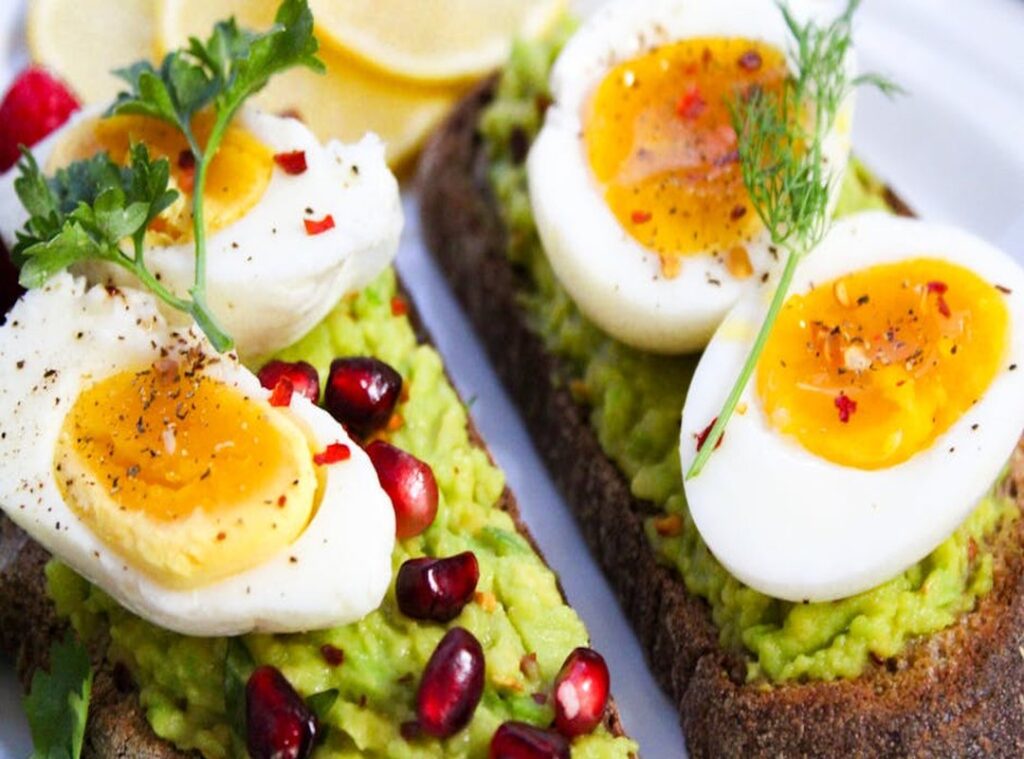
Avocado Egg Toast: 10 minutes. Whole grain bread, mashed avocado, fried egg, everything bagel seasoning. Use sweet potato toast for lower glycemic load.
Pantry version: skip avocado (use) mashed white beans + lemon. Batch-cook eggs ahead.
Greek Yogurt Parfait: 3 minutes. Plain yogurt, granola, sliced banana. Swap granola for toasted oats + walnuts if sugar’s a concern.
Pantry version: skip granola. Add sunflower seeds. Freezes?
Yogurt doesn’t, but pre-portion jars for grab-and-go.
Lentil & Spinach Soup: 25 minutes. Brown lentils, canned tomatoes, garlic, spinach. Add turmeric for extra anti-inflammatory punch.
Pantry version: use dried lentils + frozen spinach. Freezes beautifully.
Tuna Lettuce Wraps: 12 minutes. Canned tuna, Greek yogurt (not mayo), celery, lemon, romaine leaves. Swap tuna for chickpeas if you’re plant-first.
Pantry version: use canned salmon or sardines. Makes great lunch prep.
Salmon Sheet Pan: 25 minutes. Frozen salmon fillets, broccoli, olive oil, lemon. Roast together (zero) extra dishes.
Swap salmon for chicken thighs if cheaper. Pantry version: use canned salmon + roasted cabbage. Freezes well as cooked portions.
Black Bean & Sweet Potato Burrito Bowl: 20 minutes. Canned black beans, roasted sweet potato, lime, cilantro. Swap sweet potato for cauliflower rice for lower carb.
Pantry version: use frozen corn + canned beans only. Batch-cooks like a dream.
These aren’t “healthy foods shmgdiet” buzzwords on a label. They’re meals I’ve made while half-asleep and still felt good after.
You don’t need specialty ingredients to eat well.
Build Your Own Meals: The SHMG Plate, No Guesswork
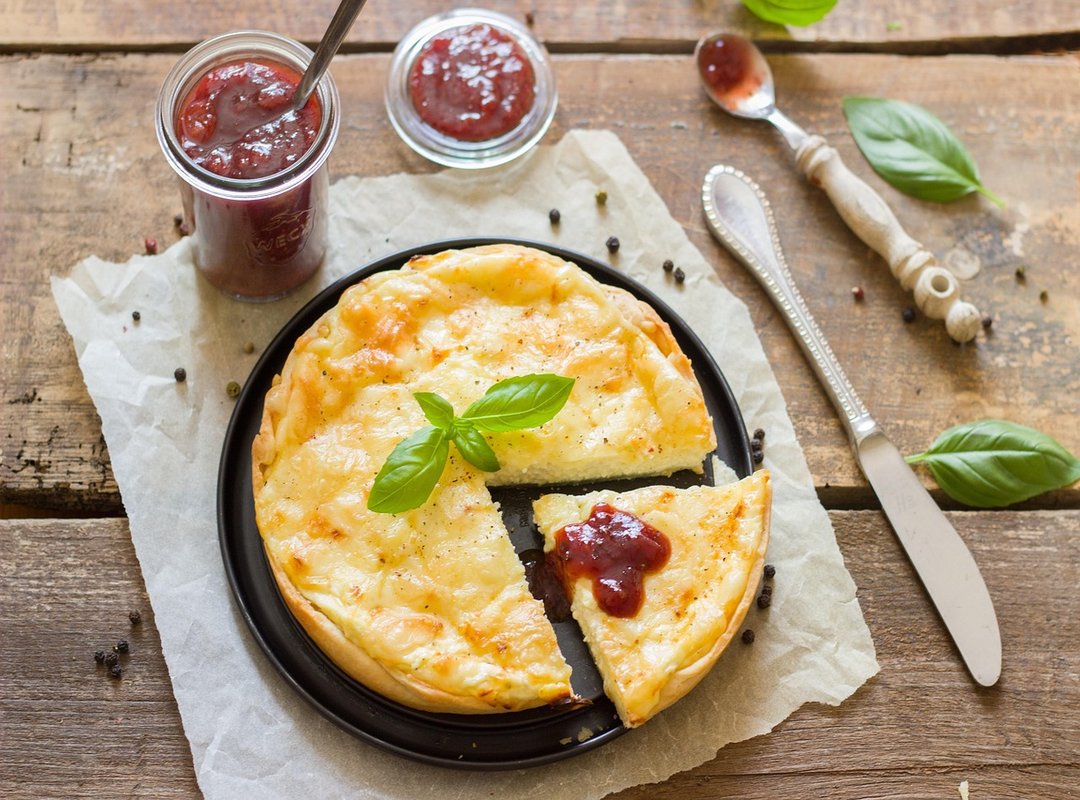
I use the SHMG Plate Method every day. It’s not a diet. It’s a plate template.
Half your plate is non-starchy vegetables. Not lettuce. Think broccoli, peppers, shredded cabbage, roasted carrots. Stuff with color and crunch.
You want three colors before you add anything else. Red bell pepper. Purple cabbage.
Bright green zucchini ribbons. Done.
Quarter your plate with quality protein. Eggs? Great.
But if eggs aren’t your thing? Try smoked salmon, baked tofu, or a lentil patty. All work.
Same satiety. Same protein punch.
The other quarter goes to complex carbs or fiber-rich starches. Sweet potato. Barley.
Black beans. Not white rice. Not pasta.
Real food that holds you.
Then. One teaspoon of healthy fat. Avocado slice.
Olive oil drizzle. A few walnuts. That’s it.
I wrote more about this in Diet Tips Shmgdiet.
No more. No less.
Fermented garnish is optional but smart. Kimchi. Sauerkraut.
Pickled red onion. Adds gut-friendly bacteria. (And yes, it tastes sharp.
That’s the point.)
Portion adjustments? Don’t shrink the veggies. If you need more energy, add more protein or starch (not) fat.
Keep the ratios intact.
This isn’t about perfection. It’s about consistency. I’ve seen people skip the veg portion and wonder why they’re hungry two hours later.
(Spoiler: it’s not the carbs.)
For more real-world swaps and timing tips, check out the Diet Tips Shmgdiet.
Healthy Foods Shmgdiet starts here. Not with supplements or shakes. With what’s on your fork.
You already know what works for your body. This just gives it structure.
Smoothies Lie to You (and Other Meal Mistakes)
I used smoothies as breakfast for six months. Felt great (until) I was starving by 10 a.m. Every.
Single. Day.
They’re not bad food. But they’re low satiety. Your gut doesn’t register liquid calories the same way it does chewed food.
That’s physiology (not) opinion.
Skipping fats? Big mistake. Fat helps absorb vitamins A, D, E, and K.
No fat on your salad? You’re basically eating cardboard with nutrients you can’t use.
Packaged “healthy” bars? Read the label. One popular “diet” bar has 18g sugar and 2g fiber.
A small apple with 1 tbsp almond butter? 14g sugar, 5g fiber, real ingredients.
Stress and poor sleep wreck digestion. Cortisol messes with insulin. Your body stops caring if your meal is perfect.
It just stores it.
So pair meal prep with one habit: breathe for two minutes before eating. Sit. Breathe.
Then eat. It resets your nervous system.
That’s more useful than any app or tracker.
For deeper dives into what actually works. Like how to read labels without getting dizzy. Check out this Nutrition Advice Shmgdiet page.
Healthy Foods Shmgdiet isn’t about perfection. It’s about consistency (and) knowing which traps to avoid.
Start Building Your SHMG-Aligned Meals Today
I’ve shown you how Healthy Foods Shmgdiet works. Not as a diet. Not as a restriction.
As fuel.
Nutritious isn’t complicated. It’s intentional. Balanced.
Repeatable.
You already have the 4-step template. That’s your starting line. Not some distant finish.
Pick one meal from section 2. Make it this week. Track energy.
Track digestion. Skip the scale.
You’re tired of guessing what your body needs. Tired of bloating after lunch. Tired of crashing by 3 p.m.
This isn’t about perfection. It’s about alignment.
Your body knows how to thrive (your) meals just need to speak its language.
 David Benefiel is a seasoned fitness professional and passionate writer for My Healthy Living and Strategies, where he focuses on delivering practical advice for maintaining a balanced and healthy lifestyle. With years of experience in strength training, nutrition, and holistic wellness, David offers in-depth guidance to help readers achieve their personal health goals, whether through tailored fitness plans, dietary changes, or mental wellness practices.