


Wellness Gets Personal and Data Driven
The age of one size fits all wellness is over. In 2024, personalization is no longer a luxury it’s the standard. With the rapid advancement of tech, wellness routines are becoming dynamic, real time, and deeply individualized.
Tech in Your Pocket, Wellness at Your Fingertips
Digital wellness tools have exploded in popularity. From step tracking to stress monitoring, wearable tech and wellness apps are transforming how we interact with our health on a daily basis.
Wearables now track sleep quality, heart rate variability, stress levels, and more
Mobile apps sync data to offer personalized reminders and insights
Users can monitor progress and adjust routines instantly
AI: Your New Personal Trainer and Nutritionist
Artificial intelligence is revolutionizing fitness and nutrition. No more guessing games tailored recommendations are now based on your actual biometrics.
AI powered platforms analyze data to craft individualized workout and meal plans
Some services adapt suggestions in real time based on sleep, stress, and performance
Smarter insights help optimize energy, recovery, and progress
Coaching That Actually Fits Your Life
On demand health coaching has become more accessible and hyper personalized. These platforms go beyond basic advice by integrating user data and daily habits into actionable wellness routines.
Digital coaching services offer custom habit building and accountability
Professionals can now guide users virtually with detailed progress metrics
Routines are curated for lifestyle compatibility whether you’re a night owl, traveler, or remote worker
Wellness in 2024 is less about restriction and more about precision. With the right tools, users can take control of their health in ways that feel intuitive and sustainable.
Mental Health Front and Center
Mental health isn’t on the sidelines anymore it’s become a global priority. From campaigns encouraging open conversations to culturally adapted therapy tools, the stigma around getting help is breaking down fast. Celebrities, CEOs, and everyday creators are speaking plainly about burnout, anxiety, and the need to decompress.
The big shift? Mental wellness is becoming more practical and bite sized. Instead of carving out an hour for deep meditation, people are turning to micro practices 60 second breathwork, short grounding walks, or journaling between Zoom calls. These small breaks add up, and they’re easier to stick with than a rigid routine.
Workplaces are catching on too. Mental health benefits are showing up front and center in wellness packages, baked in alongside gym stipends and fitness challenges. Think access to therapy apps, internal support networks, and flexible time to actually unplug. This isn’t just about checking a box it’s about retention, productivity, and real human sustainability.
Gut Health Takes the Spotlight
Gut health has officially entered the mainstream, with new products, buzzwords, and research popping up daily. As we learn more about the gut brain connection and the immune system’s ties to digestion, people are paying closer attention to what they eat and how it makes them feel.
Understanding the ‘Biotics’
The wellness world is flooded with talk of prebiotics, probiotics, and now postbiotics. Here’s a quick breakdown:
Prebiotics: Plant based fibers that feed the good bacteria in your gut (found in foods like garlic, onions, and bananas).
Probiotics: Live bacteria and yeasts that help balance your gut microbiome (common in fermented foods like yogurt and kombucha).
Postbiotics: The beneficial compounds created when probiotics consume prebiotics essentially, the end result of a healthy gut process (often found in supplements or naturally produced in the body).
Understanding the role each plays helps consumers make better choices in food and supplements.
Fermented Foods Are Everywhere
Fermentation has gone from a niche health practice to a full blown grocery store takeover.
Popular fermented picks include:
Kimchi A Korean staple packed with flavor and fermentation powered benefits.
Kefir A tangy, drinkable yogurt rich in probiotics.
Kombucha The fizzy tea that’s become a wellness cult favorite for its digestive perks.
These foods are trending not just for their taste or Instagram appeal they’re being embraced for their gut boosting properties.
Marketing Hype vs. Real Benefits
As gut health becomes more popular, so does gut health marketing. But not all products live up to their promises.
Watch for labels overloaded with buzzwords but low on actual active strains.
Some “probiotic” drinks are high in sugar, which can cancel out their beneficial effects.
Always check if products list specific strains of bacteria and their proven benefits.
Smart consumers are learning to read beyond the packaging and research the ingredients themselves.
Gut health may be trending, but its impact is real when backed by quality sources, science, and smart choices.
Biohacking Goes Mainstream
Once considered fringe or experimental, biohacking tools are seeing rapid adoption among everyday wellness enthusiasts. From cold plunges to nootropics, these once niche practices are now part of mainstream conversations around health, energy, and performance.
Popular Biohacks Making Waves
Cold Plunges: Known for jumpstarting circulation and reducing inflammation, ice baths and cold showers are becoming household habits.
Red Light Therapy: Gaining popularity for its potential benefits in skin health, muscle recovery, and seasonal mood support.
Nootropics: Brain boosting supplements like L theanine, lion’s mane mushroom, and adaptogens are now readily available in drinks, capsules, and powders.
What Science Actually Supports
Not all biohacks are backed equally. Here’s how to separate evidence from exaggeration:
Cold exposure: Backed by numerous studies linking it to reduced muscle soreness, better recovery, and potential mental health boosts.
Red light therapy: Emerging science is promising, especially for skin conditions and inflammation, but dosage and device quality matter.
Nootropics: Some ingredients (like caffeine + L theanine) are well studied, but many blends lack long term trials and robust data.
How to Experiment Safely at Home
Biohacking doesn’t require a lab just intention and caution:
Start small: Use short cold exposures before jumping into ice baths. Test basic nootropic stacks before complex blends.
Track your responses: Document how your body responds to new practices so you can adjust or discontinue if needed.
Prioritize consistency over intensity: Benefits often come from regular, balanced use rather than extremes.
The bottom line? Biohacking can be a powerful wellness enhancer but only when approached with curiosity, skepticism, and self awareness.
Sustainability as Wellness
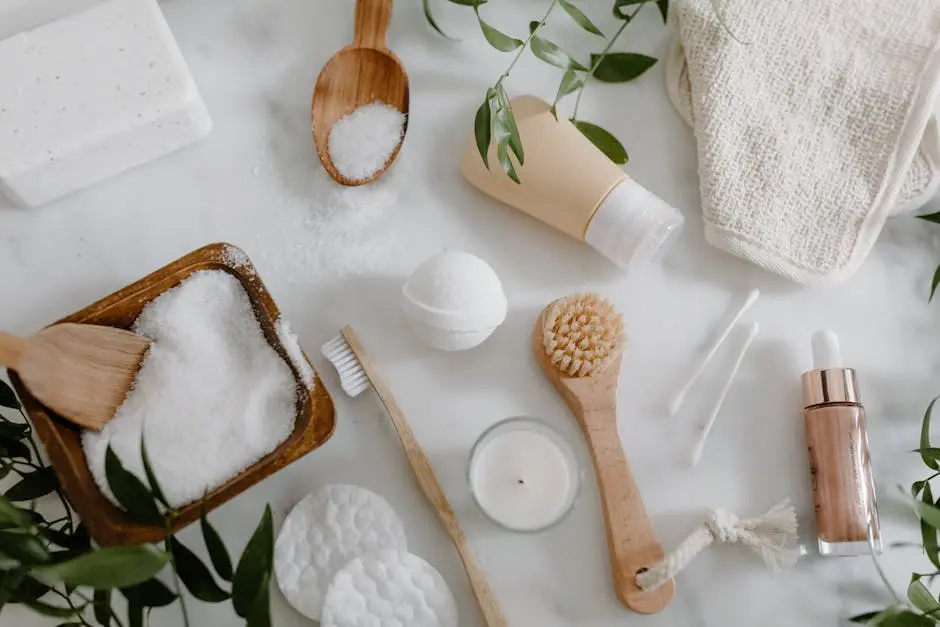
Wellness is going deeper than green smoothies and gym routines. In 2024, the idea of taking care of yourself is tangled up with how your choices affect the planet. More people are waking up to the connection between conscious consumption and mental well being. It’s not just about feeling good in your body it’s also about feeling good about what you buy and why you buy it. That shift is making purpose driven living part of personal health.
Consumers want transparency. Clean label beauty is moving from trend to baseline. Refillable packaging and biodegradable materials aren’t just nice to haves; they’re expected. People are pushing back against clutter and waste, choosing fewer, better products made with intention. Brands that can’t back up sustainability claims with action are losing trust and market share.
It’s not only about what’s in the jar, but how the jar fits into a bigger lifestyle. For a deeper dive into evolving health habits and where sustainability meets self care, explore more sustainable health trends reshaping the wellness world.
Global Cuisine as Preventive Medicine
The idea that food can heal isn’t new but now it has a rebranding budget and shelf space at your local grocer. Ancient eating traditions like the Mediterranean diet, Ayurveda, and Japanese washoku aren’t just cultural artifacts anymore they’re blueprints for modern wellness. High in plants, low in processing, and built to support long term health, these diets are getting a fresh spotlight thanks to both curious consumers and scientific backing.
And it’s not just about what you eat it’s why you eat it. The food as medicine mindset is going mainstream, especially in Western wellness circles. Nutritionists are prescribing greens with a side of anti inflammatory herbs. Grocery stores now stock turmeric and ashwagandha like pantry staples, not exotic supplements. Even popular health apps are nudging users toward food choices that support immunity and gut resilience.
Spices and herbs once tucked away in the international aisle are gaining prime real estate. Think garlic, ginger, cinnamon, and reishi each with ancient roots and modern hype. But this isn’t about chasing trends; it’s a quiet return to eating with intention, culture, and care baked in.
Movement Without the Gym
Stripped of glossy gym mirrors and monthly fees, movement in 2024 is heading outdoors, online, and inward. City parks have become the new weight rooms. Beaches, rooftops, and backyards now host everything from bootcamps to sunrise yoga. Virtual classes continue to thrive not just Peloton style spinning, but community driven Zoom sessions and global livestreams focused on mobility, breathwork, and flow.
There’s also a shift from aesthetics to utility. Fewer people are chasing magazine cover abs. Instead, the focus is on strength that translates lifting kids, hiking longer, aging without pain. Practices like qigong, primal movement, and animal flow are gaining momentum for their simplicity and body intelligence. These aren’t flashy workouts, but they’re effective, sustainable, and grounded.
The overall vibe? Less punishment, more presence. Movement is becoming something people protect in their day, not as a chore but as a form of care and connection. And it doesn’t require a single piece of gym equipment.
The Road Ahead
Wellness in 2024 isn’t just about green smoothies and gym selfies. It’s shifting toward a more integrated, inclusive, and sustainability driven model. We’re seeing an embrace of practices that blend mental, physical, environmental, and community well being. It’s less about one size fits all advice and more about whole person care that considers individual needs, cultural context, and long term planetary health.
Inclusivity is coming to the forefront: wellness content is evolving to reflect a broader range of body types, ages, abilities, and lifestyles. Meanwhile, sustainable living is becoming a key part of what it means to be healthy with consumers demanding clean ingredients, ethical sourcing, and zero waste packaging as the new baseline.
This direction isn’t a trend it’s a necessary evolution. Want a deeper look? Dive into these sustainable health trends shaping how we live, eat, move, and heal.
 David Benefiel is a seasoned fitness professional and passionate writer for My Healthy Living and Strategies, where he focuses on delivering practical advice for maintaining a balanced and healthy lifestyle. With years of experience in strength training, nutrition, and holistic wellness, David offers in-depth guidance to help readers achieve their personal health goals, whether through tailored fitness plans, dietary changes, or mental wellness practices.